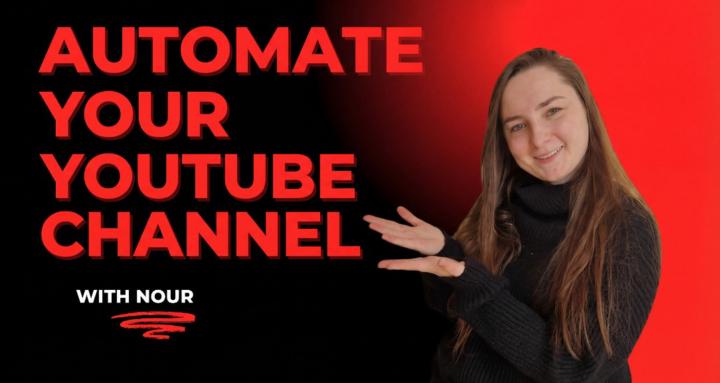

Description
Nour aka Sanava – YouTube Automation Lab Review: Is It Worth Your Investment?
YouTube automation has rapidly transformed from a niche side hustle into a multi-million dollar business model. Creators and entrepreneurs build cash-cow, faceless YouTube channels that generate passive monthly income through ad revenue, brand deals, and affiliate marketing. Among the prominent figures teaching this model is Nour, widely known online as Sanava.
His flagship program, Nour aka Sanava – YouTube Automation Lab, promises to teach beginners and intermediate creators how to build, scale, and automate high-performing YouTube channels from scratch without ever showing their face on camera.
In this comprehensive, honest review, we break down everything you need to know about the YouTube Automation Lab—what is included, its core methodology, the pros and cons, real student expectations, and whether this program is worth your hard-earned money.
What Is the YouTube Automation Lab?
The YouTube Automation Lab is a structured, step-by-step training program designed to teach individuals how to create, run, and scale faceless YouTube channels. Instead of filming videos yourself, YouTube automation involves leveraging a system—and eventually a team of freelancers—to handle scriptwriting, voiceovers, video editing, and thumbnail creation.
Created by Nour (Sanava), an experienced practitioner in the faceless channel ecosystem, the course aims to demystify the complex algorithms of YouTube. It shifts the focus away from luck and grounds channel growth in strategy, data analysis, high-CTR thumbnails, and audience retention optimization.
The core objective of the course is simple: help you build a predictable, repeatable YouTube content pipeline that generates recurring revenue.
Who Is Nour (Sanava)?
Nour, operating under the alias Sanava across social media and digital marketing communities, has built a reputation around faceless channel creation. Unlike lifestyle influencers who rely solely on personal branding, Sanava’s background is rooted in analytical content strategy and channel portfolio management.
His approach focuses heavily on market research, algorithmic triggers, and optimized content production workflows. Through his public content and community interactions, he positions himself as a hands-on mentor who emphasizes real-world execution over surface-level hype.
Key Modules and Content Breakdown
The course structure is designed to guide a complete beginner through the lifecycle of setting up and automating a YouTube channel. Here is a breakdown of what the curriculum covers:
1. Niche Selection and Market Research
Finding the right niche is the single most critical decision in YouTube automation. The course dedicates significant time to analyzing profitable niches with high Cost Per Mille (CPM) rates. You learn how to evaluate search volume, audience demand, and competition levels to select a niche that balances low barrier-to-entry with high revenue potential.
2. Channel Setup and Algorithmic Optimization
Setting up a channel correctly ensures that YouTube’s algorithm can quickly categorize and recommend your content. This module covers essential channel settings, keyword tags, branding layout, and initial optimization strategies to establish immediate domain authority.
3. Content Creation Workflow
The course details the complete video production assembly line:
-
Topic Ideation: How to find viral topic angles and leverage trending search intent.
-
Scriptwriting: Techniques for crafting strong hooks within the first 30 seconds to maximize viewer retention.
-
Voiceovers: Selecting professional voice actors or using high-quality AI speech tools effectively.
-
Video Editing: Sourcing copyright-free footage, adding visual transitions, and keeping pacing tight to prevent drop-offs.
-
Thumbnail Strategy: Designing high-click-through-rate (CTR) thumbnails using visual hierarchy and psychological triggers.
4. Outsourcing and Team Building
To make YouTube automation truly passive, you must build a reliable remote team. Nour outlines exact frameworks for hiring scriptwriters, voiceover artists, and video editors on platforms like Upwork and Fiverr, including contract templates, quality control metrics, and budget management.
5. Monetization and Scaling Strategies
Beyond YouTube Partner Program (AdSense) revenue, the curriculum explores alternative monetization routes:
-
Affiliate marketing integration into video descriptions.
-
High-ticket brand sponsorships and direct outreach strategies.
-
Managing multiple channels simultaneously to build a diversified portfolio.
What Makes This Program Stand Out?
Several factors distinguish this training program from basic online tutorials:
-
Actionable Workflows: Rather than delivering abstract theories, the lessons focus on actionable, step-by-step implementations.
-
Retention-Focused Strategy: Many courses only teach video creation, but this program heavily emphasizes audience retention graphs and click-through optimization—the two primary metrics YouTube uses to promote content.
-
Outsourcing Frameworks: The program provides clear guidance on managing production budgets, helping students avoid overspending on content creation during the early stages.
Honest Pros and Cons
To provide a balanced perspective, here are the main advantages and potential drawbacks of the program:
Pros
-
Clear Systemization: The course provides a structured layout that eliminates guesswork for beginners.
-
Data-Driven Approach: Heavy emphasis on YouTube Analytics, CTR, and retention metrics rather than generic creative advice.
-
Scalable Business Model: Direct focus on building a team so channel owners can focus on high-level management rather than editing.
-
Up-to-Date Tactics: Content reflects current YouTube algorithm trends and modern thumbnail/editing styles.
Cons
-
Requires Initial Capital: YouTube automation is not entirely free. You need a budget for freelancer hiring or tool subscriptions unless you plan to create initial videos yourself.
-
No Instant Success: Channel growth takes consistent uploads and continuous refinement; success requires patience and testing over several months.
-
Effort Required: Despite the “automation” name, managing teams, reviewing scripts, and analyzing data require real active effort at the start.
Who Is This Course Best Suited For?
The program is ideal for specific types of digital entrepreneurs:
-
Beginners: Individuals looking for a complete roadmap to launch their first faceless YouTube channel without spending months testing tactics blindly.
-
Content Creators: Existing YouTubers who want to streamline their editing and production processes to upload more frequently.
-
Investors and Agency Owners: Entrepreneurs looking to build an asset portfolio of automated media channels that yield predictable monthly cash flow.
Who is it not for? It is not for anyone looking for a “get-rich-quick” scheme or those unwilling to commit the required time, discipline, and initial operational budget.
Real Expectations: What Does It Take to Succeed?
While the course provides the tools, templates, and strategies, individual results ultimately depend on execution. Success in YouTube automation requires:
-
Consistency: Uploading high-quality content regularly over a sustained period of 3 to 6 months.
-
Adaptability: Reading channel analytics critically and adjusting thumbnail designs, video titles, or video hooks based on performance data.
-
Financial Management: Reinvesting early channel earnings into better editors and scripts to elevate video production quality over time.
Final Verdict: Is It Worth It?
The Nour aka Sanava – YouTube Automation Lab is a solid, practical, and highly strategic guide for anyone serious about building a faceless YouTube business. Nour breaks down complex channel management into digestible, highly tactical steps.
While it requires dedicated execution, consistency, and initial investment capital, the program offers immense value by reducing the learning curve significantly. If you are ready to treat YouTube as a legitimate business rather than a hobby, this program provides a clear, reliable path forward.


Reviews
There are no reviews yet.