
Description
Honest Review: Gregory John – Build an AI Agent Platform with Claude Agents
Artificial intelligence has evolved far beyond simple conversational chatbots. The current frontier belongs to agentic workflows—systems capable of reasoning, executing multi-step tasks, calling external tools, and dynamically solving complex problems with minimal human intervention.
Among the educational offerings addressing this shift, Gregory John – Build an AI agent platform with Claude Agents stands out as a dedicated framework aimed at developers, tech founders, and AI enthusiasts. But does it deliver on its promises, or is it just another hype-driven tutorial wrapped in marketing speak?
This comprehensive, independent review breaks down the curriculum, structural design, real-world utility, and overall value proposition of this course to help you decide if it is worth your time and investment.
What Is “Gregory John – Build an AI Agent Platform with Claude Agents”?
At its core, Gregory John – Build an AI agent platform with Claude Agents is a hands-on, practical training program designed to guide users through constructing a fully functional, scalable AI agent platform from scratch. Rather than relying on rigid, pre-built frameworks that abstract away critical backend logic, this course emphasizes building custom infrastructure directly on top of Anthropic’s Claude API ecosystem.
The curriculum is structured to bridge the gap between simple API integration and production-ready agentic architecture. It targets individuals who want to move past simple system prompts and create dynamic systems capable of autonomous execution, memory handling, tool usage, and context management.
Key Objectives of the Program
-
Agent Architecture: Learn how to structure autonomous loops, tool-use logic, and error-handling routines.
-
Claude Integration: Harness the reasoning capabilities of Anthropic’s model lineup, specifically focusing on complex function calling and structured outputs.
-
Platform Scalability: Move from single-prompt scripts to a modular, multi-tenant or multi-agent platform capable of handling real-world workflows.
-
User Interface & State Management: Maintain state across long-running tasks and display real-time execution steps to end users.
Course Curriculum & Core Architecture Breakdown
To properly assess Gregory John – Build an AI agent platform with Claude Agents, we must analyze how the material is organized and delivered. The program avoids long-ranging theoretical lectures, choosing instead to focus heavily on practical application and functional code execution.
┌────────────────────────────────────────────────────────┐
│               Core Platform Architecture               │
├───────────────────────┬────────────────────────────────┤
│ Module                │ Focus & Deliverables           │
├───────────────────────┼────────────────────────────────┤
│ 1. Foundations        │ API Setup & Function Calling   │
│ 2. Core Agent Loop    │ Reasoning, Tools & Execution   │
│ 3. State & Memory     │ Vector Storage & Context Window│
│ 4. Platform UI        │ Dashboard & Task Stream        │
│ 5. Deployment         │ Production Scaling & Security  │
└───────────────────────┴────────────────────────────────┘
Module 1: Foundational Setup & Anthropic API Fundamentals
The course opens by establishing the baseline technical stack. Students are introduced to the core mechanics of Anthropic’s API, detailing how Claude processes tokens, manages context windows, and handles system instructions.
A heavy emphasis is placed on function calling (tool use). The instructor demonstrates how to supply Claude with raw JSON schemas representing external tools (e.g., search APIs, database query tools, code execution environments) and parse the returned structured JSON responses reliably.
Module 2: Designing the Autonomous Agent Loop
The heart of any AI agent platform is its execution loop. In this section, Gregory John walks through building the decision engine that allows an agent to:
-
Receive a high-level goal from a user.
-
Formulate a step-by-step execution plan.
-
Determine which tool to call based on current state.
-
Execute the tool, capture the output, and feed it back into the context.
-
Self-evaluate whether the original goal has been met.
This module is particularly strong because it addresses edge cases—such as infinite loops, recursive tool calls, and API timeouts—that many beginner tutorials completely ignore.
Module 3: Memory, Vector Storage, and Context Management
One of the largest hurdles in building production-grade agents is managing token limits and long-term memory. The course explores strategies for:
-
Short-Term Memory: Managing sliding window history within active user sessions.
-
Long-Term Memory: Integrating vector databases to allow agents to store, search, and retrieve context across multiple user sessions.
-
Context Pruning: Dynamically summarizing intermediate agent thoughts so the context window remains lean and cost-effective.
Module 4: Building the Platform Interface & Dashboard
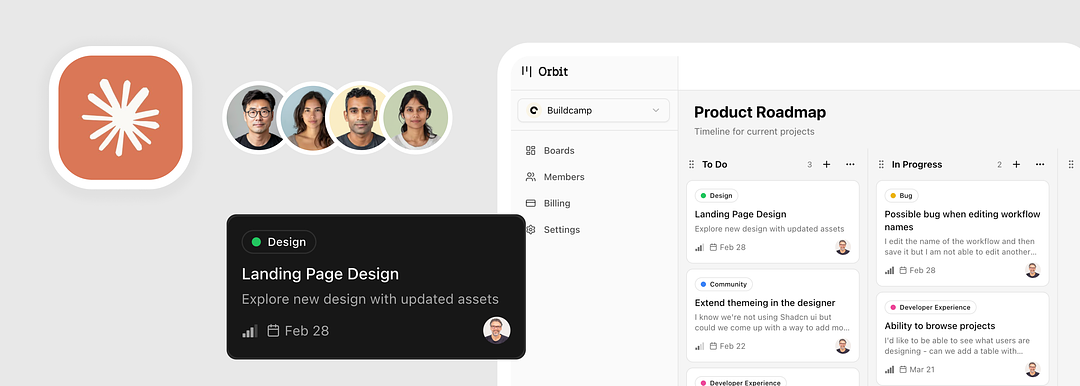
An agent running in a terminal is useful for debugging, but an agent platform requires a functional frontend. This portion of the training focuses on building a user interface where users can trigger agents, view real-time logs, inspect tool calls as they execute, and review final outputs.
The course demonstrates how to implement real-time streaming updates (via WebSockets or Server-Sent Events) so the user gets visibility into what the agent is “thinking” and “doing” at every step of the execution cycle.
Module 5: Security, Error Handling, and Production Deployment
Deploying agents safely presents unique security challenges, particularly around arbitrary code execution and uncontrolled API usage. The final sections cover:
-
Rate-limiting and token consumption monitoring.
-
Sandboxing tool execution environments.
-
Handling unexpected API rate limits or model hallucinations gracefully.
-
Deploying the platform to cloud hosting environments for 24/7 availability.
Strengths: What Makes This Platform Training Stand Out?
┌─────────────────────────────────────────────────────────────────┐
│                    Key Strengths Breakdown                      │
├──────────────────────────────┬──────────────────────────────────┤
│ Feature                      │ Real-World Impact                │
├──────────────────────────────┼──────────────────────────────────┤
│ Direct API Implementation    │ Avoids rigid framework lock-in   │
│ Real-Time Streaming UI       │ Production-ready user experience │
│ Native Tool Use Focus        │ Reliable function execution      │
│ Pragmatic Cost Optimization │ Lower operational token bills    │
└──────────────────────────────┴──────────────────────────────────┘
1. No Framework Lock-In
Many courses rely entirely on high-level orchestration libraries like LangChain or AutoGen. While these libraries speed up initial prototyping, they often create massive abstractions that make fine-tuning, debugging, and customizing agent logic difficult. Gregory John – Build an AI agent platform with Claude Agents takes a lower-level, foundational approach, teaching you how to write the core orchestration logic yourself. This gives you absolute control over your code base.
2. Tailored to Claude’s Unique Strengths
Anthropic’s Claude models are widely regarded for superior long-context comprehension, strong instruction-following capabilities, and reliable structured outputs. The course specifically leverages these advantages, demonstrating how to write system prompts and tool declarations optimized for Claude’s specific behavior patterns rather than using generic, model-agnostic prompts that produce inconsistent results.
3. Focus on Full-Stack Platform Delivery
This is not merely a course on script writing; it is a course on platform building. You leave with an understanding of how backend agent loops interact with database schemas, backend servers, and frontend UI dashboards. The resulting artifact is something you can actually deploy, white-label, or build a business around.
4. Pragmatic Focus on Token Cost & Efficiency
Running autonomous agent loops can quickly become expensive if an agent gets stuck or constantly sends massive context histories back and forth. The strategies provided for context truncation, dynamic tool injection, and output parsing are designed to keep token consumption as low as possible without sacrificing reasoning quality.
Weaknesses & Potential Drawbacks
No educational product is perfect for every type of learner. To keep this review entirely honest, there are a few limitations to consider before diving in:
-
Prerequisite Knowledge Required: This is not a zero-to-hero coding bootcamp. If you do not have a comfortable baseline understanding of modern web development (JavaScript/TypeScript, REST APIs, basic database design), you will likely struggle to keep up with the pacing.
-
Rapidly Evolving API Ecosystem: The AI ecosystem moves extraordinarily fast. While the core patterns (loops, memory, tool calls) remain evergreen, specific API parameters or UI frameworks used in the build can require minor adjustments as Anthropic updates its SDKs.
-
Single-Model Bias: As the title explicitly states, the course focuses heavily on Claude. While the architectural principles apply to other models like OpenAI’s GPT series, developers looking for a strictly multi-model system out-of-the-box will need to adapt the codebase themselves.
Who Is This Course Best For?
┌────────────────────────────────────────────────────────┐
│                   Target Audience                      │
├────────────────────────┬───────────────────────────────┤
│ Ideal Profile          │ Skill Level Required          │
├────────────────────────┼───────────────────────────────┤
│ Technical Founders     │ Intermediate JavaScript/Python│
│ Full-Stack Engineers   │ Comfortable with APIs & Async │
│ Product Developers     │ Basic DB & Backend Knowledge  │
│ AI Automation Engineers│ Basic Understanding of LLMs   │
└────────────────────────┴───────────────────────────────┘
-
Full-Stack Developers: Engineers who want to add native AI agent features to existing SaaS products or build standalone agent applications from scratch.
-
Technical Founders & Solopreneurs: Entrepreneurs looking to ship functional AI products rapidly without spending months battling framework overhead.
-
Automation Specialists: Developers migrating from simple automation tools (like Zapier or Make) toward intelligent, decision-making software platforms.
Final Verdict & Rating
Gregory John – Build an AI agent platform with Claude Agents delivers exceptional, targeted value for developers who are ready to build production-grade agentic software. By focusing on direct API integration, explicit tool calling, state management, and real-time frontend delivery, it skips the superficial fluff and provides a genuine blueprint for building scalable AI software.
If you are looking for an easy, no-code shortcut, this course may present a steep learning curve. However, if your goal is to master the underlying mechanics of autonomous agents, build custom platform architecture, and leverage the power of Claude’s model ecosystem, this is easily one of the most practical and high-value resources available today.


Reviews
There are no reviews yet.